 EQUIPMENT
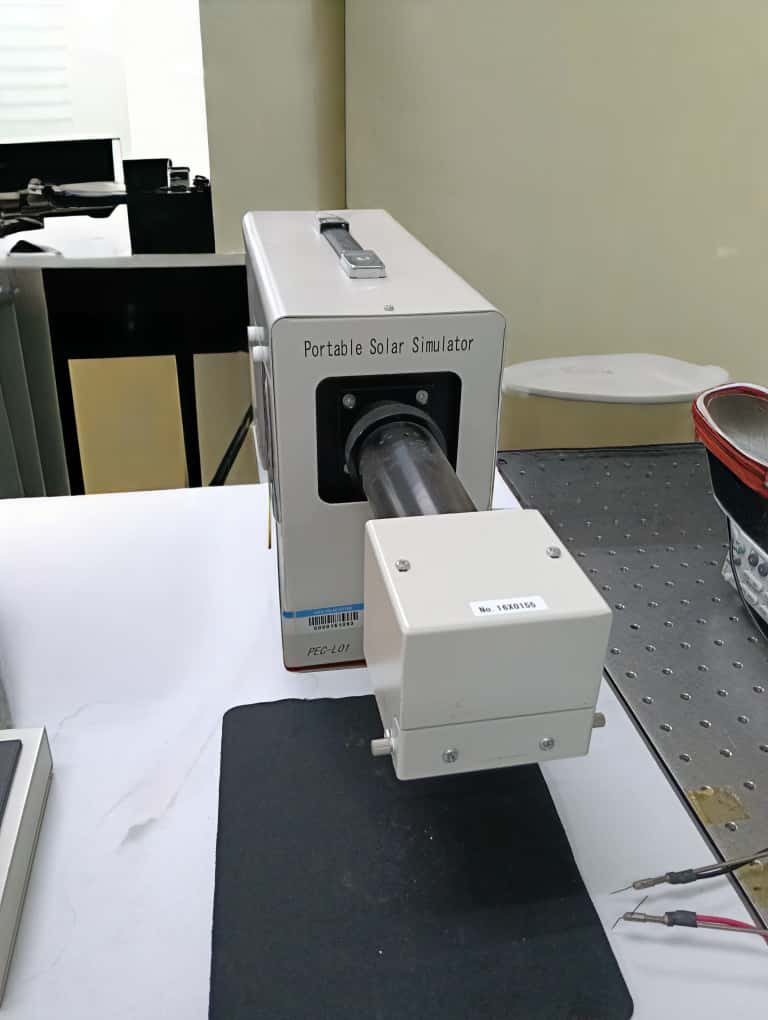
Provides simulated sunlight (AM1.5G spectrum) to test photovoltaic devices under controlled conditions. For small-scale,
Read More
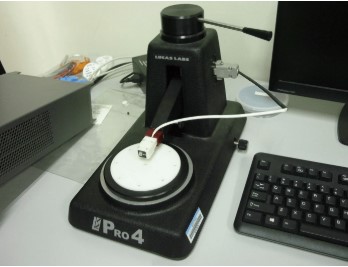
measure the electrical resistivity or sheet resistance of materials — typically semiconductors, thin films, and coatings
Read More

measure and characterise the topography of material surfaces, including: profile of features (valleys, peaks, scratches)
Read More
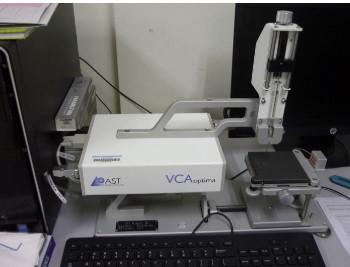
Measures the contact angle of a liquid droplet on a solid surface to determine wettability, hydrophobicity/hydrophilicit
Read More
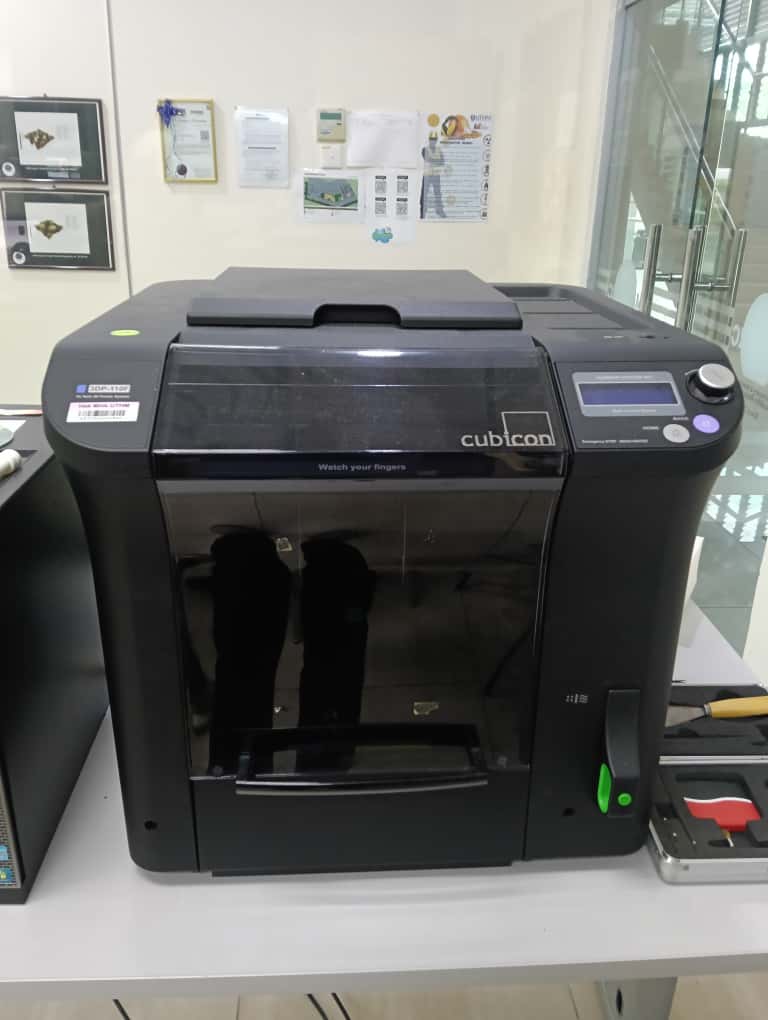
create three-dimensional solid objects from a digital 3D model by depositing materials layer by layer.
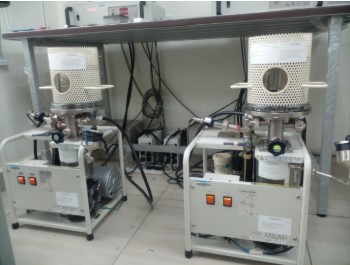
used for thin‑film deposition of metals, organics or other materials by thermal (resistive) evaporation under high/ultra
Read More
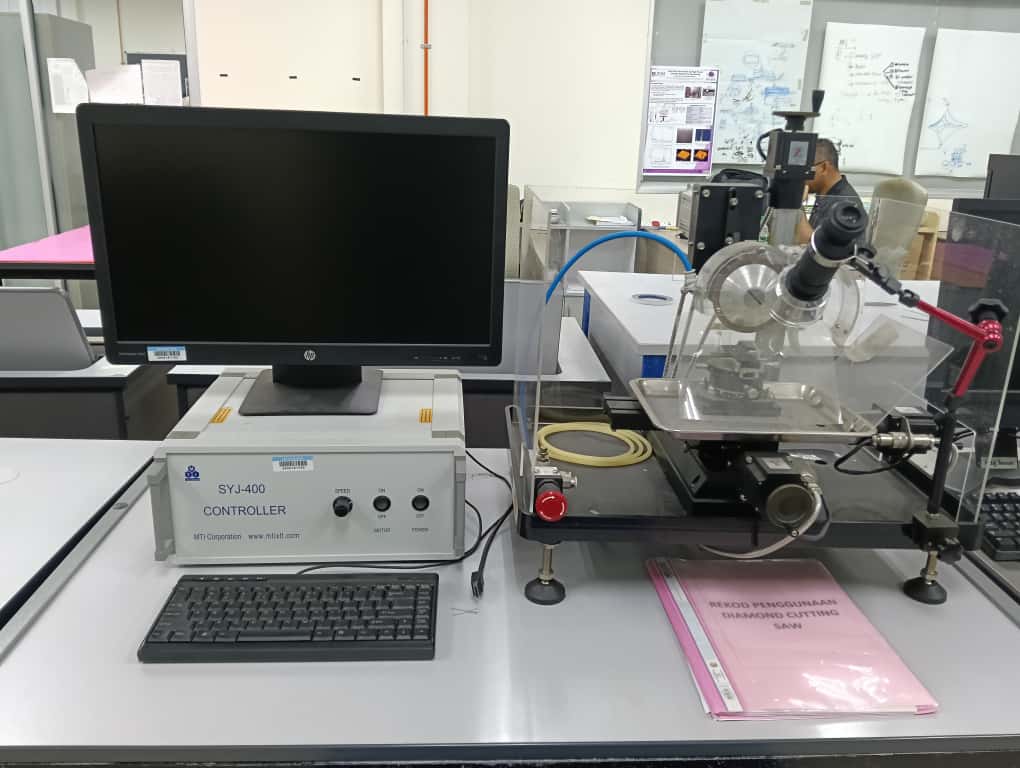
Used to cut, section, or dice hard materials such as metals, ceramics, semiconductors, glass, composites, and crystals.
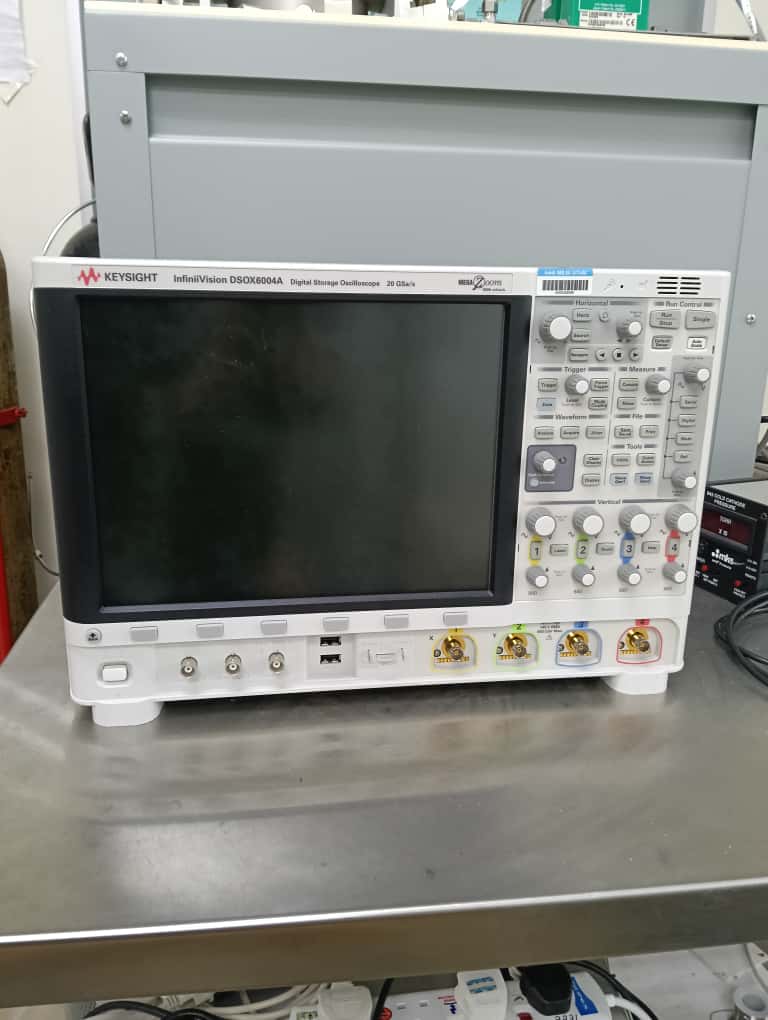
A high‑performance digital oscilloscope designed to measure, visualize and analyze electrical waveforms and their behavi
Read More
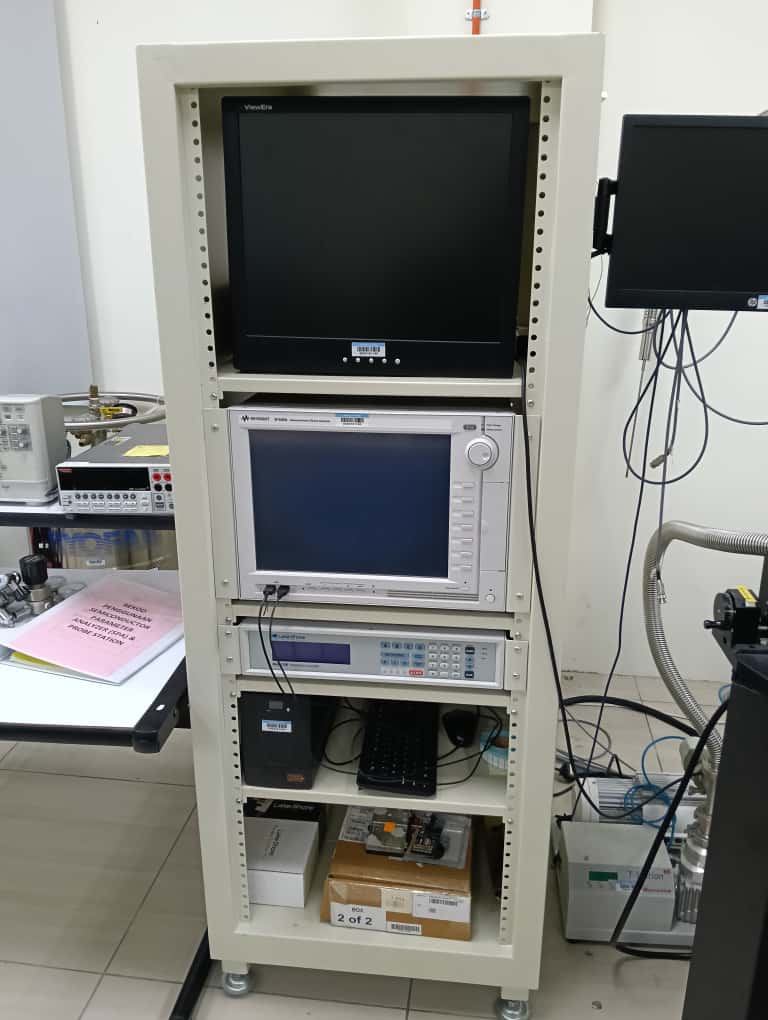
Used for electrical characterization of semiconductor devices, such as MOSFETs, diodes, thin-film devices, sensors, and
Read More
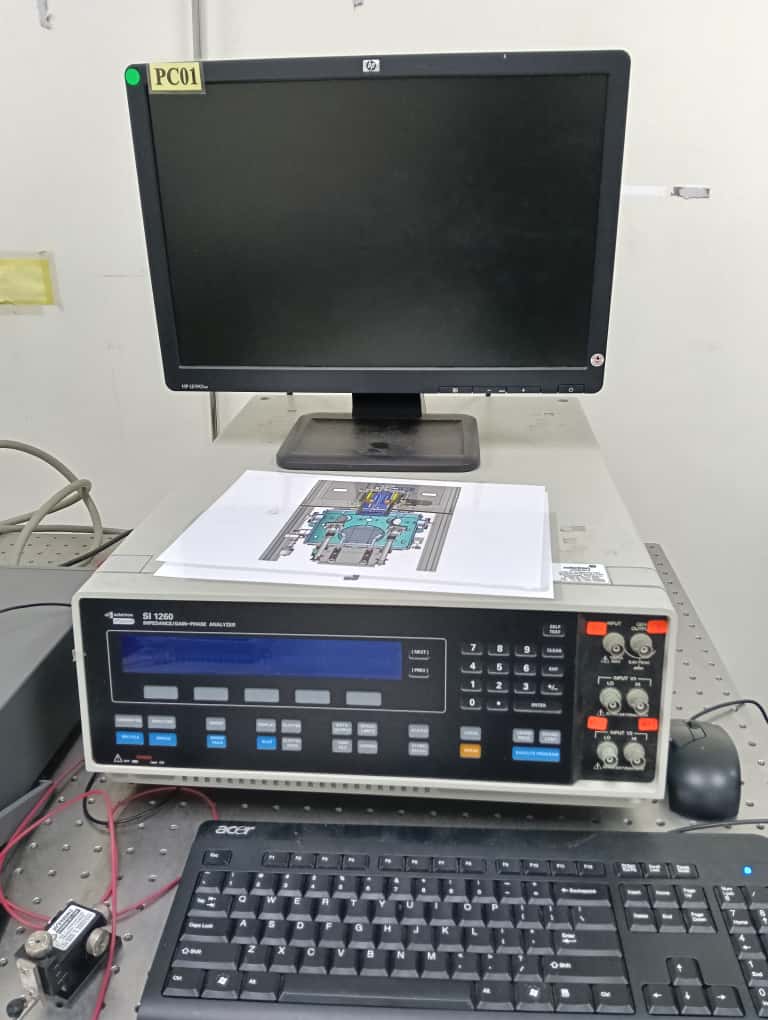
Measures the complex electrical impedance of components, materials or circuits as a function of frequency.
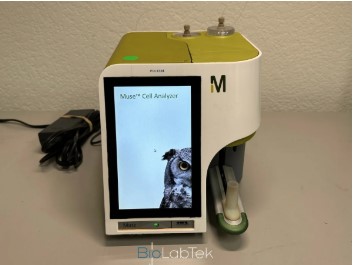
A benchtop flow cytometry-based system for cell counting, viability, apoptosis, and cell cycle analysis.
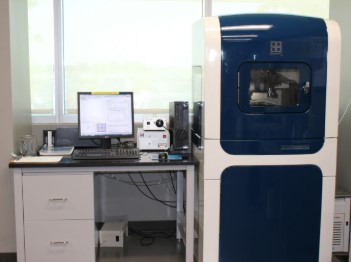
measures how materials respond mechanically (hardness, modulus, creep, etc.) at very small scales (nanometres to microme
Read More
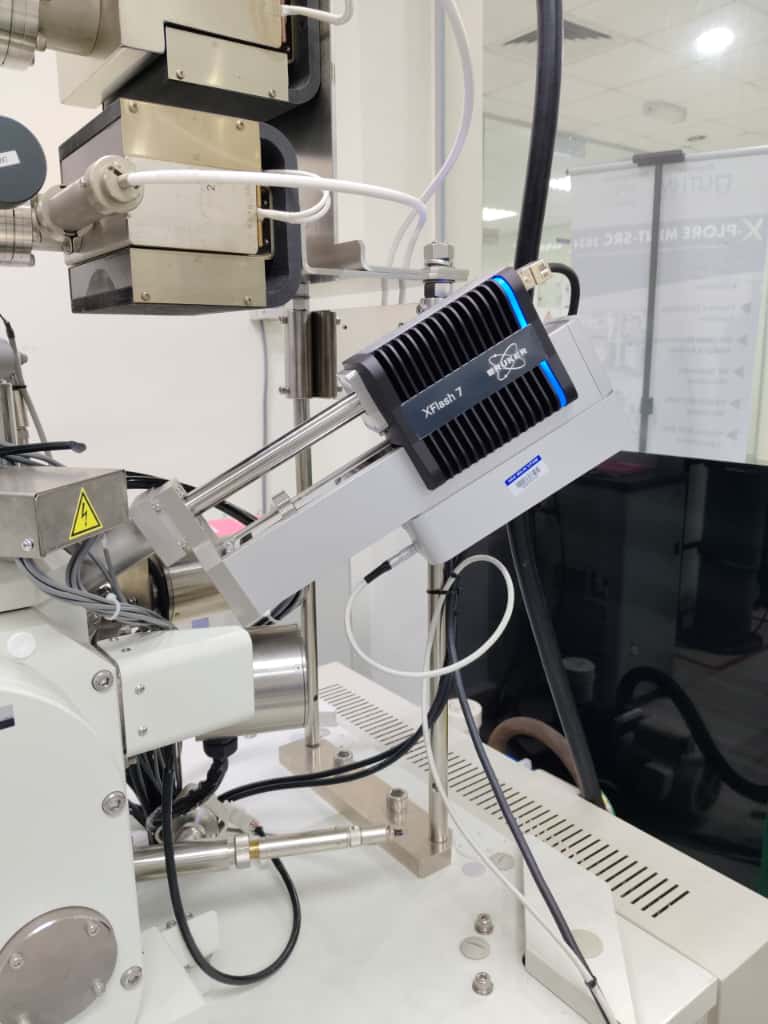
Detects and analyzes the elemental composition of a sample.

Sun shadow analysis in building & landscape design
Natural lighting analysis in building opening & space design
%booking_description%